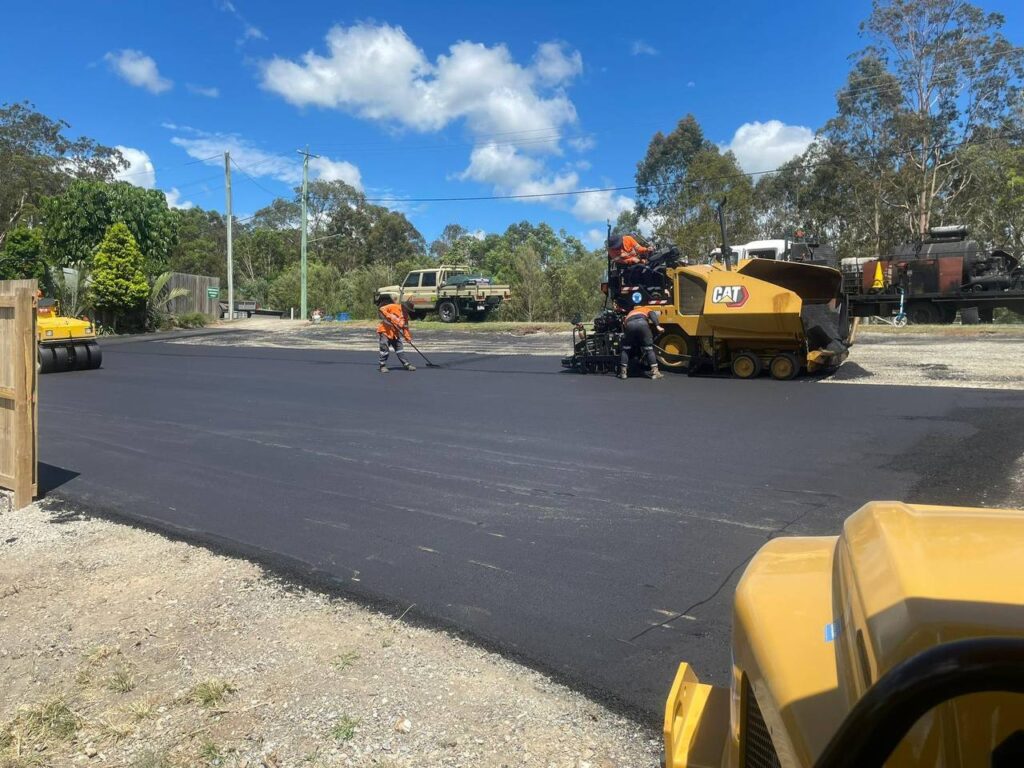
Why preparation matters before asphalt is laid
A reliable asphalt surface begins before the first load of material arrives. If the ground beneath it is unstable, poorly drained or uneven, the finished surface may develop dips, cracks or areas where water collects. Careful site preparation helps asphalt sit on a consistent foundation and perform as intended.
For property owners in Cabarita Beach, this means the work should start with a close assessment of the area, its existing surface and how water moves across it. Preparation needs can vary between a new driveway, an accessway and a surface being resurfaced.
Assessing the site
The first step is to check the existing conditions. A surfacing contractor should look for soft or weakened ground, potholes, cracking, uneven levels and drainage issues. They should also consider how vehicles use the area, as regular traffic and heavier loads can affect the preparation required.
This assessment helps identify problems that should be addressed before asphalt is laid. Covering a weak section without fixing its underlying cause can lead to the same trouble reappearing in the new surface.
Preparing a stable base
The base supports the asphalt and helps distribute the weight placed on it. Depending on the condition of the site, preparation may involve removing unsuitable material, correcting weak areas and building or repairing the base.
The base should be compacted evenly. If compaction is inconsistent, some sections may settle more than others, creating an uneven finish. A stable, well-prepared base gives the asphalt a firmer platform and helps the surface withstand everyday use.
Setting levels and managing water
Good levels help water drain away instead of sitting on the asphalt. Before work begins, the surface should be planned with suitable falls and transitions to surrounding areas. Existing drainage points and the way water travels across the site should also be considered.
Water that remains on a surface can contribute to deterioration over time, particularly if it reaches weak joints or the supporting layers beneath the asphalt. Addressing drainage during preparation can help protect the finished surface.
Creating a clean, even surface
For resurfacing work, the existing asphalt needs to be assessed and prepared so the new layer can bond properly. This may include removing loose material, repairing damaged sections and cleaning the area. Edges, joins and connections to nearby surfaces need attention too, as these can affect both the finish and its durability.
Preparation should also include planning access and keeping the work area clear. A tidy, organised site makes it easier to complete each stage consistently.
Why a professional assessment helps
Site conditions are not always obvious from the surface. An experienced asphalt contractor can identify where repairs, base work or drainage adjustments may be needed before installation. This helps match the preparation to the site rather than applying the same approach everywhere.
For Cabarita Beach property owners, a site assessment can clarify what the work involves and how the preparation will support the finished asphalt surface.
Conclusion
Proper site preparation gives asphalt a stable base, suitable drainage and a clean, even surface to bond with. These steps help reduce the risk of uneven settling and premature surface problems. Cabarita Beach Surfacing Solutions can assess your site and discuss the preparation needed for your asphalt or bitumen resurfacing project.
Call us on: 07 3113 9392
Click here to find out more about Cabarita Beach Surfacing Solutions
Click here to complete our contact form and see how we can help with your surfacing needs.