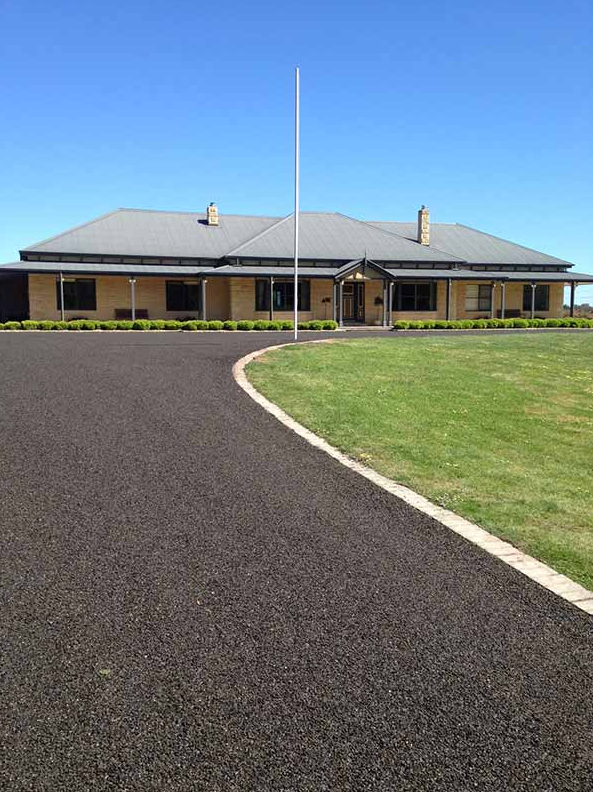
Commercial properties often need more from their external surfaces than simply providing somewhere for vehicles to travel. Areas used for parking, deliveries, loading, storage, turning and day-to-day operations need to remain stable under repeated use while allowing vehicles and equipment to move efficiently. This is where a professionally constructed asphalt hardstand can provide significant practical value.
For commercial properties in Cabarita Beach, NSW, an asphalt hardstand can transform an unsuitable, uneven or unsealed area into a dependable working surface. However, its performance depends on more than the asphalt visible on top. Proper pavement design, base preparation, drainage and compaction are all essential to creating a hardstand capable of meeting the demands placed upon it.
At Cabarita Beach Surfacing Solutions, we provide asphalt and bitumen resurfacing solutions with a focus on creating practical surfaces suited to how commercial properties actually operate.
What Is an Asphalt Hardstand?
A hardstand is a purpose-built surfaced area designed to provide stable ground for vehicles, equipment or operational activities. On commercial properties, hardstands can be used for a variety of purposes, including:
- Vehicle parking
- Delivery and loading areas
- Equipment storage
- Commercial yards
- Vehicle turning and manoeuvring
- Access between different parts of a property
- Areas exposed to regular operational traffic
An asphalt hardstand combines a prepared pavement foundation with a compacted asphalt surface. The specification should reflect the intended use of the area rather than applying the same construction approach to every site.
A Stable Surface for Everyday Operations
One of the main benefits of an asphalt hardstand is the stable working surface it provides.
Unsealed areas can develop loose material, ruts, depressions and uneven sections under regular vehicle movement. These conditions can make everyday operations less efficient and may become progressively worse during wet conditions.
A properly constructed asphalt hardstand creates a firm and consistent surface for vehicles and equipment. This can make routine activities such as parking, turning, loading and moving around the property considerably easier.
Better Support for Regular Vehicle Traffic
Commercial properties may experience repeated traffic throughout the working day. In some areas, vehicles also follow the same routes, stop in the same locations or repeatedly turn within confined spaces.
These movements can place concentrated stress on a pavement.
An asphalt hardstand can be designed around the expected traffic conditions, with the supporting pavement layers prepared to distribute loads effectively. When the foundation and asphalt are appropriate for the intended use, the surface is better equipped to resist premature deformation.
Improved Conditions for Loading and Deliveries
Loading and delivery areas need to provide reliable access regardless of how frequently they are used.
An uneven or deteriorated surface can make positioning vehicles more difficult, particularly where drivers need to reverse, turn or approach designated loading points accurately. Depressions and potholes can also interfere with the movement of trolleys, forklifts or other equipment used around the site.
A smooth asphalt hardstand creates a more predictable operating area and can help commercial properties maintain more organised vehicle movements.
Asphalt Helps Control Dust and Loose Material
Unsealed commercial yards can generate dust during dry conditions, particularly when they experience frequent vehicle movements. Loose stone and surface material can also migrate into adjoining areas.
Asphalt creates a bound surface, significantly reducing the amount of loose material disturbed by everyday traffic.
For commercial properties in Cabarita Beach, this can help create a cleaner and more manageable external area while reducing the constant movement of surface material caused by vehicles.
Effective Drainage Can Be Built into the Hardstand
A hardstand needs to manage water effectively if it is to perform well over the long term.
Simply creating a flat asphalt area is not enough. The surface needs appropriate falls so rainfall can move towards suitable drainage points instead of collecting in depressions.
Standing water can accelerate pavement deterioration, particularly if moisture enters cracks and reaches the supporting layers below. During hardstand construction or resurfacing, grading should therefore be considered carefully.
Correct levels and drainage help protect both the asphalt surface and its foundation.
A Smooth Surface Can Improve Site Organisation
Commercial properties often need clearly defined areas for different activities. A properly surfaced hardstand can help turn previously inconsistent ground into a more usable part of the property.
Vehicles can be directed towards specific parking or loading areas, equipment can be positioned on stable ground, and traffic routes can become easier to manage.
The benefit is not purely visual. A well-planned hardstand can support a more organised site layout and allow available external space to be used more effectively.
Asphalt Can Handle Different Commercial Applications
One reason asphalt is suitable for commercial hardstands is that the pavement can be designed for different operating requirements.
A light commercial parking area will not necessarily need the same pavement structure as an area regularly used by heavier vehicles. Similarly, a section used mainly for storage may experience different stresses from a busy turning or loading area.
Professional contractors consider these differences when determining preparation requirements and pavement construction.
This allows the hardstand to be matched more closely to its intended purpose.
Maintenance Can Help Extend Hardstand Life
No commercial pavement remains unchanged indefinitely. Regular traffic, weather exposure and ageing gradually affect asphalt surfaces.
The advantage of a professionally constructed hardstand is that deterioration can often be managed through planned maintenance. Small cracks, localised damage and drainage issues can be addressed before they affect larger sections of pavement.
Where the foundation remains structurally suitable but the surface has become extensively worn, asphalt resurfacing may also restore performance without requiring the entire pavement to be reconstructed.
Regular inspections are therefore valuable for identifying problems while they remain manageable.
Why the Base Is Just as Important as the Asphalt
A hardstand may have an excellent asphalt finish and still perform poorly if the pavement underneath has not been prepared correctly.
The base provides the structural support required to distribute vehicle loads. If it contains soft areas, inadequate material or poorly compacted sections, the asphalt above may eventually sink, crack or rut.
Professional hardstand construction should therefore consider:
- Existing ground conditions
- Expected vehicle types and usage
- Base material and depth
- Compaction
- Surface levels
- Drainage
- Asphalt requirements
Addressing these factors before surfacing provides a much stronger basis for long-term performance.
When Might an Existing Commercial Area Need Resurfacing?
Not every worn hardstand needs complete reconstruction. If the supporting pavement remains stable, resurfacing may be appropriate when the existing asphalt has experienced general surface deterioration.
Possible signs that an assessment is worthwhile include widespread surface wear, cracking, loose material, shallow depressions or deterioration in heavily trafficked sections.
However, simply covering significant structural problems with new asphalt is unlikely to produce a lasting result. Any underlying failures should be identified and corrected first.
A professional assessment helps determine whether repairs, resurfacing or more extensive pavement work is appropriate.
Why Professional Hardstand Construction Matters
Commercial hardstands are working surfaces, and their construction needs to reflect the demands of the property.
Experienced surfacing contractors assess how the area will be used, the condition of the existing ground and how water needs to move across the site. Preparation can then be undertaken before the asphalt or bitumen surface is installed.
At Cabarita Beach Surfacing Solutions, the focus is on creating asphalt and bitumen surfaces that provide practical, dependable performance rather than simply improving the appearance of an existing area.
Conclusion
Asphalt hardstands offer several important benefits for commercial properties. They provide stable vehicle access, support loading and parking activities, reduce loose material, improve site usability and create a surface that can be maintained as it ages.
The quality of the finished hardstand, however, depends heavily on what lies underneath. Appropriate pavement preparation, compaction, grading and drainage are essential if the asphalt is to perform reliably under regular commercial use.
For businesses and commercial property owners in Cabarita Beach, NSW, Cabarita Beach Surfacing Solutions provides professional asphalt and bitumen resurfacing for hardstands and other operational areas. If an existing commercial surface is deteriorating or an unsealed area needs upgrading, a professional assessment can help determine the most appropriate surfacing approach for dependable long-term use.
Call us on: 07 3113 9392
Click here to find out more about Cabarita Beach Surfacing Solutions
Click here to complete our contact form and see how we can help with your surfacing needs.