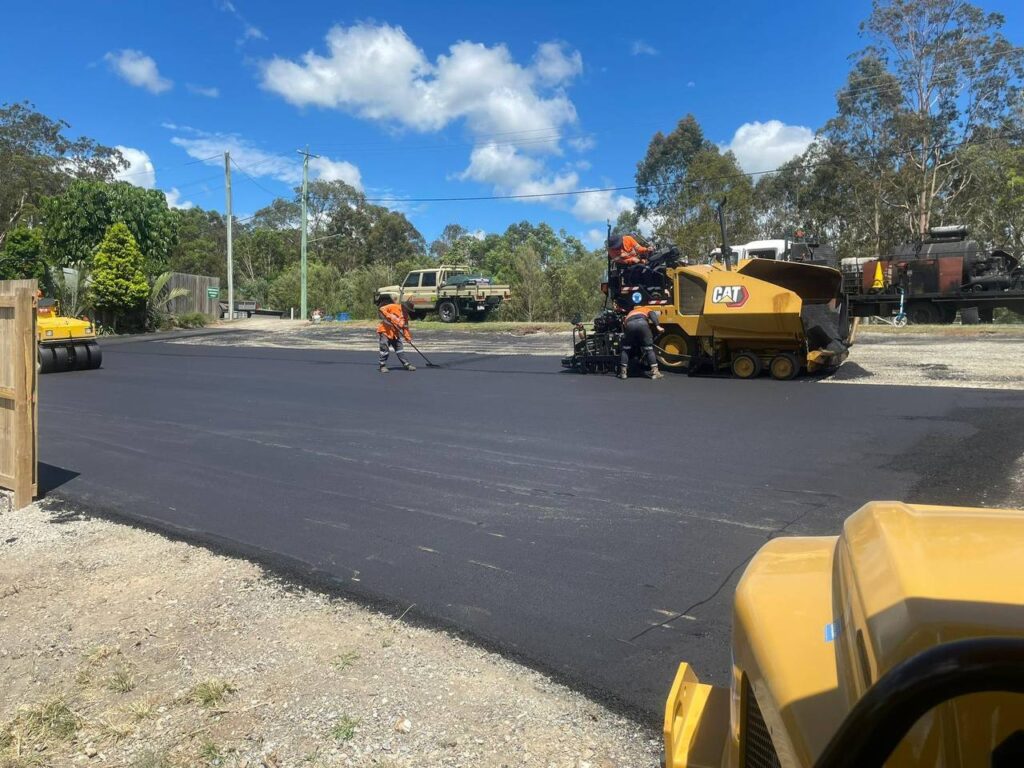
Potholes are among the most common signs of deterioration on asphalt and bitumen surfaces. Although they may appear to develop suddenly, the damage often begins beneath the pavement long before a noticeable hole forms. One of the main contributing factors is poor drainage, which allows water to collect, penetrate weakened sections and gradually compromise the supporting pavement.
When rainwater cannot drain away effectively, it can accelerate existing cracks, weaken the base and increase the impact of repeated vehicle movements. What initially appears to be a minor depression can eventually develop into a pothole that continues expanding with everyday use.
For property owners in Cabarita Beach, NSW, understanding the relationship between drainage and pavement deterioration can help prevent recurring damage. Cabarita Beach Surfacing Solutions provides professional asphalt and bitumen surfacing, pothole repairs and pavement preparation, with particular attention to identifying the underlying causes of surface failure.
How Does Poor Drainage Lead to Potholes?
A properly constructed asphalt surface is designed to direct water away from areas used by vehicles. However, when drainage becomes ineffective, water may remain on the pavement or collect in existing depressions.
Asphalt is not completely impermeable, particularly once it begins ageing or developing cracks. Water can enter through these openings and reach the supporting pavement layers.
If the underlying materials become excessively wet, they may lose some of their ability to support vehicle loads. Repeated traffic then places pressure on the weakened area, causing movement, cracking and eventually the loss of surface material.
This process explains why potholes frequently develop in sections where water repeatedly accumulates.
Water Weakens the Pavement Beneath the Asphalt
The strength of an asphalt pavement depends heavily on the materials underneath it.
The visible asphalt provides a durable wearing surface, but the base and underlying ground distribute vehicle loads and support the pavement structure.
When water enters these layers, certain materials can soften or lose stability. The amount of weakening depends on the type of material, its condition and how effectively the pavement drains.
As vehicles pass over the affected section, the weakened foundation may begin deforming.
The asphalt above is then forced to accommodate this movement. Over time, cracking can develop, allowing even more water to enter.
Eventually, sections of asphalt may break away, leaving a pothole.
Why Do Potholes Get Bigger After Heavy Rain?
A pothole creates a depression where water can collect.
Once the surface has broken open, rainfall has a more direct pathway into the pavement structure. This can make the surrounding material increasingly vulnerable.
Vehicle tyres travelling through the pothole apply pressure to its edges and the weakened material underneath. Loose pieces of asphalt can become dislodged, causing the opening to widen.
Repeated rainfall and vehicle loading can therefore create a cycle of deterioration.
The pothole collects water, moisture weakens the pavement, traffic breaks away additional material and the enlarged depression collects even more water.
Repairing the damaged section before this process progresses can help protect the surrounding surface.
Poor Surface Levels Can Encourage Water Accumulation
One of the main reasons water collects on asphalt is that the pavement no longer has suitable levels.
A properly graded surface should encourage rainfall to move towards appropriate drainage points rather than remain in isolated depressions.
However, surface levels can change as a pavement ages.
Settlement, rutting and previous repairs may create low areas where water repeatedly accumulates.
These depressions are particularly vulnerable because they experience prolonged moisture exposure.
When assessing pothole damage, it is therefore important to consider whether the surrounding pavement profile is contributing to the problem.
Cracks Allow Water to Reach Vulnerable Areas
Cracking is another common pathway for water infiltration.
A small crack may initially have little effect on vehicle movements, but it can expose the underlying pavement to moisture.
As water enters and traffic continues applying pressure, the crack may widen.
The surrounding asphalt can gradually lose support, particularly where moisture has weakened the base.
Eventually, the damaged area may begin breaking apart.
Addressing developing cracks before they become extensive can help reduce water entry and limit further pavement deterioration.
However, where cracks result from structural movement, the underlying cause should also be investigated.
Why Are Potholes Common in Wheel Tracks?
Frequently travelled wheel paths experience repeated loading.
When these areas also suffer from poor drainage, the combination can accelerate pavement deterioration.
Wheel ruts may form as the surface or supporting layers deform under traffic. These depressions can then collect rainfall or direct water along the road.
If water enters damaged sections, the supporting pavement may become less stable.
Continued vehicle movements place additional pressure on the weakened material, increasing the likelihood of cracking and pothole formation.
This is why potholes often appear in areas where traffic loading and water accumulation occur together.
Drainage Problems Around Pavement Edges
Not all drainage-related potholes develop in the centre of a surface.
Pavement edges can be particularly vulnerable when water repeatedly flows along them or collects beside the asphalt.
If surrounding material erodes, the outer pavement may lose some of its support.
Vehicle movements close to the edge can then cause cracking and breakage.
Once an opening develops, water can enter the supporting pavement more easily, contributing to further deterioration.
Maintaining appropriate edge support and directing runoff away from vulnerable sections can help reduce these problems.
Why Simply Filling a Pothole May Not Solve the Problem
A pothole repair should do more than restore the appearance of the damaged surface.
If the original problem was caused by poor drainage, simply filling the opening may leave the pavement exposed to the same conditions.
Water may continue collecting around the repair or entering through nearby cracks.
If the underlying base remains unstable, the repaired section can eventually settle, crack or break apart again.
An effective repair should therefore consider the condition of the surrounding asphalt, supporting material and drainage.
Where necessary, failed material may need to be removed and the base restored before the surface is reinstated.
How Professional Pothole Repairs Address the Damage
The appropriate repair method depends on the extent and depth of deterioration.
Where the damage is localised, the affected section may be suitable for targeted repair. More extensive deterioration can require additional pavement preparation.
Professional pothole repairs generally involve assessing the damaged area, identifying unstable material and determining how far the failure extends.
Loose or deteriorated material can then be removed as necessary.
Where the supporting pavement has been affected, suitable material may need to be installed and compacted before the asphalt surface is reinstated.
This approach aims to restore structural support rather than simply cover the visible defect.
Correct Grading Helps Prevent Recurring Potholes
Grading plays an important role in pavement drainage.
The finished surface should have an appropriate profile that allows rainfall to move away rather than collect in low areas.
When constructing or repairing asphalt, careful attention to levels helps establish suitable drainage conditions.
This is particularly important where existing depressions have repeatedly contributed to pothole formation.
If a repair restores the damaged asphalt but leaves the surrounding surface incorrectly graded, water may continue collecting nearby.
Correcting the pavement profile can therefore be an important part of achieving a more reliable result.
The Importance of a Well-Compacted Base
A stable pavement base is essential for supporting vehicle loads.
When base material is inadequately compacted, it can settle under repeated traffic.
This may create depressions in the finished asphalt, allowing water to accumulate.
Once rainfall begins collecting in these areas, the pavement can become increasingly vulnerable to moisture-related deterioration.
Professional preparation involves establishing a consistent foundation and compacting suitable material before asphalt is installed.
This helps reduce unnecessary movement and supports a more stable finished surface.
When Does Drainage Damage Require Resurfacing?
Individual potholes can often be repaired when the surrounding pavement remains structurally sound.
However, there are circumstances where deterioration becomes more widespread.
A surface may contain numerous potholes, interconnected cracks, depressions and previous repair areas.
If the underlying pavement remains stable, asphalt resurfacing may provide an effective way to restore a more consistent wearing surface after the necessary preparation and repairs have been completed.
Resurfacing can also provide an opportunity to improve surface levels where appropriate.
However, it should not be used to conceal widespread base failure.
Where supporting materials have become unstable, affected sections may require deeper reconstruction before resurfacing is considered.
Signs That Poor Drainage Is Damaging Your Asphalt
Property owners can often identify developing drainage problems before substantial potholes appear.
Warning signs include:
- Water collecting in the same locations after rainfall
- Cracks forming around depressions
- Wheel ruts becoming more noticeable
- Small potholes developing in low areas
- Loose asphalt around existing repairs
- Repeated damage near pavement edges
- Previously repaired potholes beginning to fail again
- Sections of pavement becoming increasingly uneven
These conditions do not always mean the entire pavement requires replacement.
However, they can indicate that drainage, surface levels or supporting materials should be assessed before deterioration spreads.
Why Timely Repairs Help Protect the Surrounding Surface
A pothole rarely remains confined to its original dimensions.
As traffic continues passing over the damaged area, the edges can break away and expose additional pavement material.
Water can also penetrate further into the surrounding structure.
This may eventually affect sections of asphalt that were previously in serviceable condition.
Timely repairs help limit the progression of damage and provide an opportunity to address contributing drainage problems.
Where deterioration is identified early, localised repairs may be sufficient to restore the affected section without disturbing a larger area of sound pavement.
Preventing Potholes Through Better Drainage and Maintenance
Although not every pothole can be prevented, appropriate pavement maintenance can help reduce the conditions that contribute to their development.
The most useful approach is to monitor both the asphalt surface and how water moves across it.
Developing cracks, damaged edges and isolated depressions should be assessed before they allow substantial water penetration.
Drainage paths should also remain functional so rainfall does not continually accumulate in vulnerable sections.
Where pavement levels have changed or repeated failures occur, professional assessment can help determine whether grading, repairs or resurfacing would be appropriate.
Maintaining the complete pavement structure is more effective than concentrating solely on the visible surface.
Why Professional Assessment Matters
Potholes can look similar even when their underlying causes are different.
Some develop primarily because of localised surface deterioration. Others result from poor drainage, unstable base material or repeated heavy vehicle loading.
Choosing an appropriate repair requires understanding these differences.
An experienced asphalt contractor can assess the damaged area, surrounding cracks, drainage conditions, pavement levels and supporting structure.
For property owners in Cabarita Beach, NSW, this provides a clearer understanding of whether a localised repair is appropriate or whether additional pavement preparation is necessary.
Cabarita Beach Surfacing Solutions focuses on identifying the condition of the existing pavement before recommending suitable repair or resurfacing work.
Conclusion
Potholes often form in areas with poor drainage because water can enter cracks and damaged sections, weaken supporting pavement materials and increase the effects of repeated vehicle loading.
Once a pothole develops, water can collect inside it and contribute to further deterioration. Without appropriate repairs, the damage may gradually spread into the surrounding asphalt.
Preventing recurring potholes involves more than filling visible openings. Correct grading, effective drainage, stable base preparation and timely repairs all contribute to maintaining a reliable pavement.
Cabarita Beach Surfacing Solutions provides professional pothole repairs, asphalt and bitumen resurfacing, and pavement preparation throughout Cabarita Beach, NSW. If your asphalt is developing potholes or repeatedly collecting water, contact our team to arrange an assessment and discuss a suitable solution for restoring the surface and addressing the underlying drainage concerns.
Call us on: 07 3113 9392
Click here to find out more about Cabarita Beach Surfacing Solutions
Click here to complete our contact form and see how we can help with your surfacing needs.