The first pothole in an asphalt surface can seem like an isolated maintenance problem. When another appears nearby, followed by cracking, loose material or additional depressions, it may indicate that deterioration has been developing for longer than is immediately obvious.
For property owners and businesses in Cabarita Beach, NSW, understanding why potholes are beginning to appear is important because the visible hole is often only the final stage of a wider process. Water penetration, surface ageing, traffic, weakened pavement layers and drainage problems can all contribute. Identifying the cause helps determine whether individual pothole repairs are sufficient or whether the asphalt requires more comprehensive attention.
How Does an Asphalt Pothole Actually Develop?
Potholes generally develop when part of the pavement loses sufficient strength for the surface material to break apart under traffic.
The process can begin with a relatively small defect. A crack or weakened area allows water to penetrate the pavement, or the supporting material beneath the asphalt begins losing stability. Vehicle tyres repeatedly travel over the affected section, placing pressure on an increasingly vulnerable surface.
Eventually, asphalt begins breaking away and a depression forms.
Once the surface is open, deterioration can accelerate because the edges of the pothole are exposed to further traffic and moisture.
Cracking Is Often an Early Warning
Potholes do not always appear without warning.
Cracks can be one of the earliest visible indications that an asphalt pavement is deteriorating. While minor isolated cracking does not automatically mean a pothole will form, open cracks provide potential pathways for moisture.
Pay attention when cracks are:
- Becoming progressively wider
- Increasing in number
- Joining together
- Breaking apart around their edges
- Developing within wheel paths
- Appearing around older repairs
Addressing pavement deterioration while it remains at an earlier stage can help prevent minor defects from becoming more extensive.
Water Can Weaken the Pavement Beneath the Asphalt
Asphalt provides a durable wearing surface, but its performance depends heavily on the pavement supporting it.
When water reaches underlying pavement layers, those materials can become less stable. Vehicle loads then continue applying pressure from above.
This combination of moisture and repeated traffic can result in movement, cracking and eventual surface failure.
Look at the Asphalt After Rain
Wet weather can reveal valuable information about pavement condition.
Once rainfall has passed, inspect the surface for:
- Standing water
- Water-filled cracks
- Puddles within depressions
- Soft-looking sections
- Water collecting around previous repairs
- Edge erosion
If potholes regularly develop where water accumulates, drainage or surface levels may be contributing to the problem.
Repairing the pothole without considering how water reaches the area can leave an important cause unresolved.
Surface Ageing Can Make Asphalt More Vulnerable
Asphalt naturally changes as it ages.
Continued environmental exposure can gradually alter the condition of the binder and wearing surface. The pavement may become lighter in appearance, rougher in texture and increasingly susceptible to cracking or aggregate loss.
Ageing alone does not mean an asphalt surface has failed. However, an older surface containing widespread cracking, loose material and multiple developing defects may be losing its ability to protect the pavement underneath effectively.
At this stage, potholes can become one symptom of broader surface deterioration.
Loose Aggregate Can Be an Important Warning Sign
Before a defined pothole develops, you may notice small pieces of aggregate or asphalt collecting on the pavement.
This can indicate that the wearing surface is beginning to break apart.
Loose material may become particularly noticeable around:
- Regular wheel paths
- Turning areas
- Existing cracks
- Previous patches
- Pavement edges
- Small depressions
As vehicle tyres continue passing over weakened areas, additional material can become dislodged. What begins as a rough patch can eventually develop into a larger opening.
Heavy or Repeated Traffic Can Concentrate Deterioration
Traffic does not affect every section of an asphalt surface equally.
Vehicles commonly follow the same paths and perform the same movements repeatedly. Areas used for turning, braking and manoeuvring can therefore experience concentrated pavement stresses.
If potholes are developing primarily around entrances, turning points or frequently travelled wheel paths, the way the surface is being used may be contributing to deterioration.
This does not necessarily mean the entire pavement requires resurfacing. It does mean these areas should be assessed to determine whether the problem remains localised.
Poor Drainage Can Allow Potholes to Keep Developing
An asphalt surface needs to shed rainfall effectively.
If pavement levels have changed through settlement or deformation, water may begin collecting where it previously drained away.
Ruts and depressions can also direct rainfall towards already weakened sections.
Signs of a drainage-related problem can include:
- Potholes repeatedly developing in low areas
- Water remaining on the surface after rainfall
- Cracking around depressions
- Erosion at pavement edges
- Increasingly deep wheel ruts
- The same areas remaining wet longer than surrounding asphalt
In these circumstances, restoring the damaged asphalt may need to be accompanied by attention to pavement levels or drainage.
Is the Supporting Base Beginning to Fail?
Sometimes potholes are caused by problems deeper than the asphalt surface.
A driveway, road, car park or access area relies on appropriately prepared and compacted pavement layers underneath the asphalt. If those layers become unstable, the surface above can lose support.
Possible warning signs include:
- Deep depressions
- Significant rutting
- Repeated failure in exactly the same location
- Large areas of cracking
- Noticeable pavement movement
- Repairs that deteriorate unusually quickly
Where base weakness is involved, repeatedly repairing only the asphalt surface may not provide an effective long-term solution.
The affected pavement underneath may also require attention.
Why Do Potholes Sometimes Return After Being Repaired?
A recurring pothole provides useful information.
If a repaired section fails again, the original cause may extend beyond the material that was previously replaced.
Potential reasons include continuing water penetration, weak supporting material, movement beneath the surface or deterioration around the edges of the repaired section.
This is why professional pothole repairs begin with assessment and preparation rather than simply filling the visible opening.
The objective should be to determine the extent of failed material and establish suitable support for the repaired surface.
When Is a Localised Pothole Repair Appropriate?
Not every pothole indicates widespread pavement failure.
Professional localised repairs can be appropriate where:
- The damage is confined to a defined area
- Surrounding asphalt remains stable
- The supporting pavement is suitable
- Drainage is functioning effectively
- There is no extensive deformation
- Most of the wider surface remains serviceable
Early repair can prevent vehicle traffic from continuing to break away the exposed edges and enlarging the damaged section.
What If Several Potholes Are Appearing?
When multiple potholes begin developing across an asphalt surface, it is worth considering the pavement as a whole.
Look for other indicators such as:
- Widespread cracking
- Numerous previous repairs
- Increasing surface roughness
- Loose aggregate
- General deterioration
- Rutting or depressions
- Changes in drainage
A combination of these problems can indicate that the wearing surface is deteriorating more broadly.
Continually repairing individual holes may remain possible, but it may no longer address the overall condition of the asphalt.
Could Asphalt Resurfacing Be the Next Step?
Where deterioration is widespread but the supporting pavement remains structurally suitable, asphalt resurfacing may be worth considering.
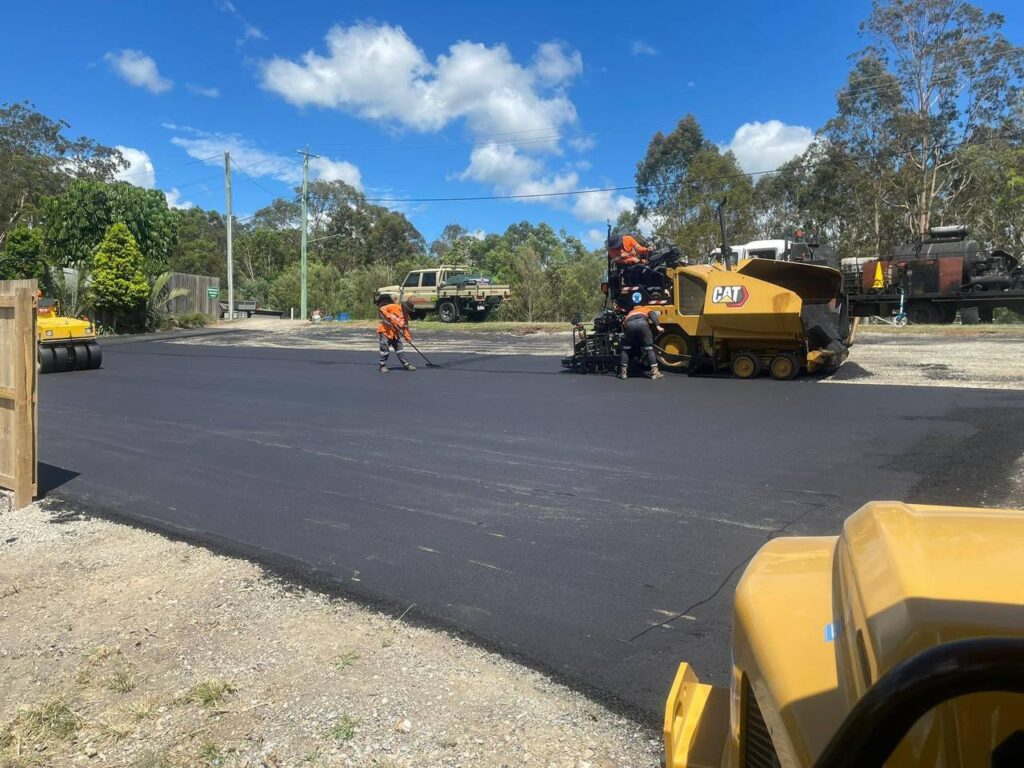
Resurfacing involves preparing the existing pavement and installing a renewed asphalt wearing layer. It can restore a more consistent surface while making use of pavement layers that remain serviceable.
Before resurfacing, however, existing failures need to be properly addressed.
Potholes, unstable areas, drainage problems and significant depressions should not simply be covered with new asphalt. Appropriate preparation is fundamental to the performance of the resurfaced pavement.
Resurfacing Is Not Suitable for Every Failed Pavement
If substantial base failure is present, more extensive preparation may be required.
Some sections may need deeper reconstruction while other parts of the pavement remain suitable for retention.
This is why an assessment should determine both the extent and depth of deterioration before deciding how the surface should be treated.
Why Early Assessment Can Protect the Surrounding Asphalt
Once a pothole opens, deterioration does not necessarily remain within its original boundaries.
Traffic can break away the exposed edges, while water gains easier access to the pavement structure. Cracks can spread and surrounding material may progressively weaken.
Having emerging potholes assessed while they remain localised can help identify whether targeted repairs can preserve the surrounding asphalt.
Waiting until numerous sections have deteriorated can reduce the amount of existing pavement that remains suitable for straightforward repair.
Professional Pothole Repairs in Cabarita Beach, NSW
Potholes can result from several interacting factors, which is why effective repair starts with understanding the condition of the pavement rather than treating every hole in exactly the same way.
Cabarita Beach Surfacing Solutions assesses asphalt surfaces in Cabarita Beach, NSW, with consideration for visible damage, surrounding pavement condition, drainage, traffic use and the stability of the supporting layers.
Where deterioration remains localised, targeted pothole repairs may be appropriate. Where the problem is more widespread, pavement preparation or asphalt resurfacing can be considered according to what the existing surface actually requires.
Conclusion
Potholes beginning to appear in asphalt are often a sign that part of the pavement has lost strength. Cracking, water penetration, surface ageing, loose aggregate, concentrated traffic, poor drainage and weaknesses within the supporting pavement can all contribute to their development.
One isolated pothole may only require a targeted repair, while multiple potholes accompanied by widespread cracking, roughness or deformation can indicate a broader pavement issue. Identifying the cause is therefore just as important as repairing the visible damage.
If potholes are beginning to develop in a driveway, road, car park or access area in Cabarita Beach, NSW, Cabarita Beach Surfacing Solutions can assess the existing pavement and recommend an appropriate repair or resurfacing approach. Addressing developing defects before they spread can help preserve the surrounding asphalt and restore a smoother, more dependable surface.
Call us on: 07 3113 9392
Click here to find out more about Cabarita Beach Surfacing Solutions
Click here to complete our contact form and see how we can help with your surfacing needs.